
POSTS

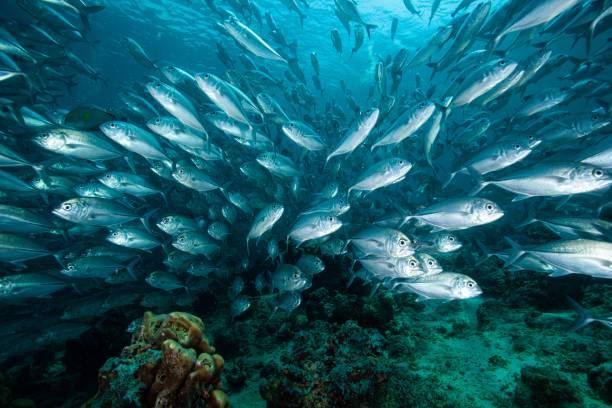
Study of mercury level in fish: Baltic sea case

Mercury, especially its toxic form (methylmercury), can cause health problems, especially in pregnant women and young children. Regular consumption of fish with high mercury content can lead to damage to the nervous system, kidneys and immune system. Tips for fish consumption: It is recommended to limit the consumption of large predatory fish (e.g. tuna, swordfish)…

Read More

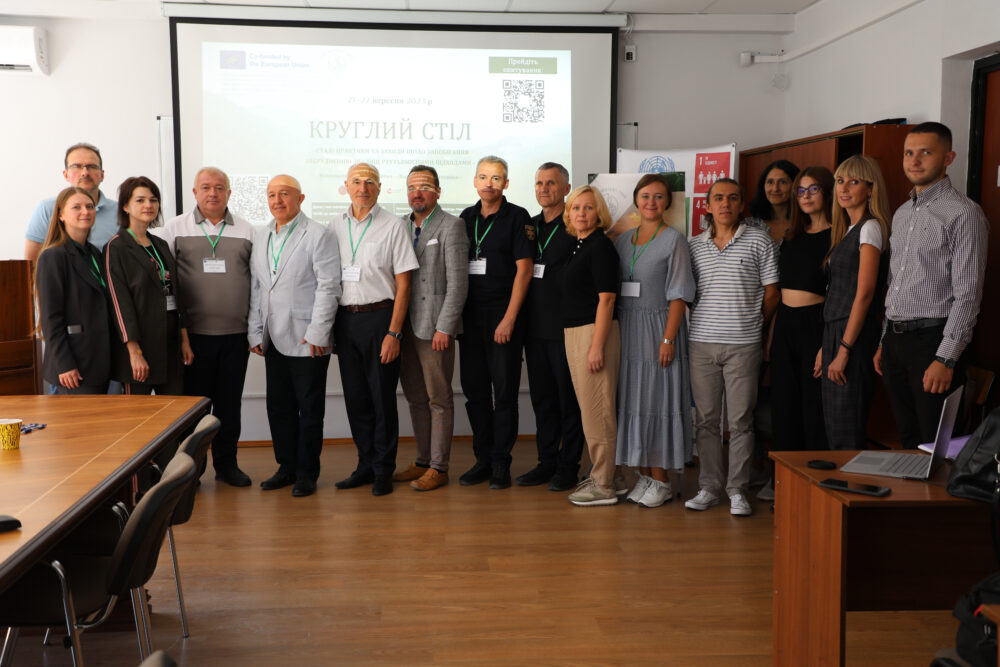
The round table “Sustainable practices and measures to prevent contamination of landfills with mercury-containing waste”

The round table “Sustainable practices and measures to prevent contamination of landfills with mercury-containing waste” was a part of the active phase of the joint creation of the Roadmap within the framework of the project LIFE Mercury-FREE “Complex Awareness Raising and Behaviour Change for the Mercury-Free City Environment” and took place on September 21–22, 2023…

Read More

Eco corner at the Faculty of Electrical Engineering of Lodz University of Technology, Poland

Polish version of the news is here: https://www.zu.p.lodz.pl/ekokacik-na-wydziale-elektrycznym 26/01/2024 University Life No. 167 Since October 2023, an eco-corner built as part of the Life Mercury FREE project has been operating at the Faculty of Electrical Engineering, Electronics, Computer Science and Automation of the Lodz University of Technology. Here, students can learn about new information about…

Read More

Exploring the detrimental impacts of mercury on both human health and the environment: The European LIFE project emerges as a crucial initiative in order to eradicate this pervasive issue.

Mercury is an extremely toxic metal that poses adverse effects when the use of products containing it is excessive and indiscriminate. It is found in many everyday items, such as thermometers, fluorescent lamps, and electronic devices. Irresponsible disposal or destruction of these objects leads to the release of mercury into our environment, with serious and…

Read More